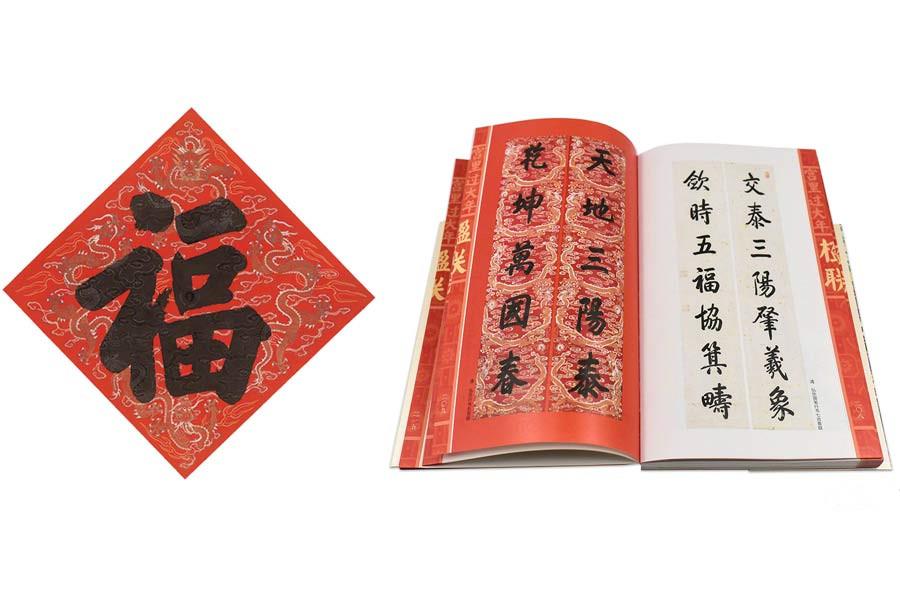
Regular Script
Introduction
Regular Script, known as "Kaishu" in Chinese, is one of the most prevalent and enduring styles of Chinese calligraphy. The script is characterized by clear structure and balanced strokes, making it the preferred script for formal writing in both historical and contemporary contexts.
Historical Context
Regular Script has its origins in the Han Dynasty (206 BC- 220) and refined in the subsequent Wei, Jin, and Southern and Northern dynasties (220-589). It became the standard script for official documents during the Tang Dynasty (618-907), a period often regarded as the golden age of Chinese calligraphy.
Characteristics
The defining feature of Regular Script is its emphasis on regularity and standardization. Each character is generally composed within an imaginary square, with consistent proportions and symmetrical structure. The strokes in Regular Script are precise and neatly arranged, with clear beginning and ending points. This style contrasts with the flowing cursive styles like Caoshu (Cursive Script) and Xingshu (Running Script).
Cultural Significance
Regular Script is not only a medium of writing but also a form of art that embodies the philosophical and aesthetic ideals of Chinese culture. Calligraphers using Regular Script often convey their personal style through subtle variations in stroke weight and composition, demonstrating both discipline and creativity.
Notable Calligraphers
Many renowned calligraphers have contributed to the development and perfection of Regular Script. Yan Zhenqing and Liu Gongquan are two of the most celebrated figures associated with this style. Yan's work is noted for its vigorous and robust strokes, which are imbued with a sense of integrity. Liu Gongquan's Regular Script, on the other hand, is admired for its elegance and refinement.
Applications and Modern Usage
Today, Regular Script remains a staple in Chinese education and culture. It is the first script taught to children learning Chinese characters and is widely used in print media, signage and official documents. In modern times, Regular Script has also been integrated into various art forms, including fashion design and digital typography, underscoring its enduring influence.
Regular Script and the Global Stage
Regular Script has also gained recognition beyond China, as international events and collaborations showcase its artistic and cultural value. Through these endeavors, Regular Script serves as a bridge between cultures, promoting a deeper understanding of Chinese heritage on a global scale.








